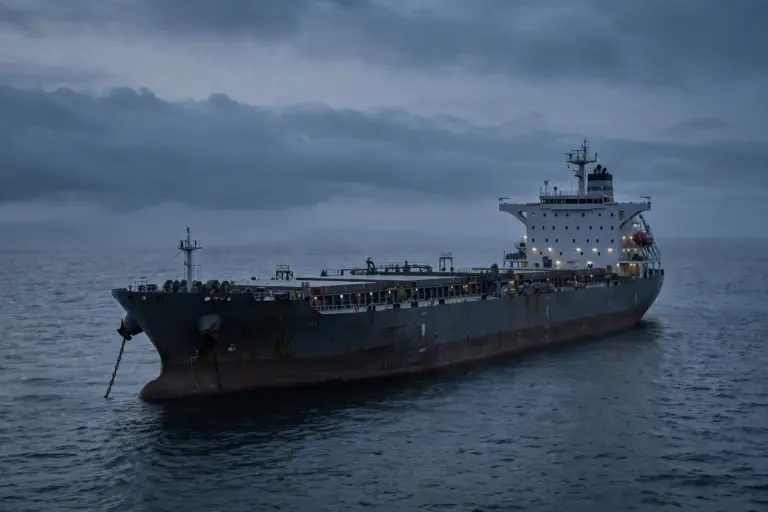

For newcomers to shipping, the terms oil tanker, chemical tanker, gas tanker, bunker, and trading tanker often get thrown around interchangeably — especially in job ads that use them loosely. But different terms mean different ships, different cargoes, different safety rules, and different certificates a seafarer must hold.
The common thread: all the vessels below carry liquid cargo (or liquefied gas). What sets them apart is the type of cargo — and cargo determines ship design, safety systems, and the international regulations that govern them.
1. Oil Tanker
Oil tankers carry crude oil and/or refined products (petrol, diesel, jet fuel, etc.). Two major sub-types:
- Crude oil tanker — carries crude from fields to refineries. Huge sizes: Aframax (80,000–120,000 DWT), Suezmax (120,000–200,000 DWT), up to VLCC (200,000–320,000 DWT).
- Product tanker — carries finished fuels/refined products. Generally smaller and more flexible: Handysize, MR (Medium Range), LR1, LR2.
The main rulebook is pollution prevention: MARPOL Annex I. Tanker crew must hold Basic Training for Oil and Chemical Tanker Cargo Operations, and officers need Advanced Training for Oil Tanker Cargo Operations.
2. Chemical Tanker
Chemical tankers carry liquid chemicals in bulk — from relatively mild to highly toxic, corrosive, or reactive substances. Their hallmark: many small segregated tanks (one ship can carry a dozen different cargoes at once), with stainless steel or specially coated tanks to prevent contamination.
The IMO’s IBC Code divides chemical tankers into three types by cargo hazard level:
- Ship Type 1 — for the most hazardous cargoes; strictest construction and protection.
- Ship Type 2 — medium-severe hazards.
- Ship Type 3 — the least hazardous of the three (still dangerous, only relatively).
The lower the number, the stricter the safety requirements. Chemical tanker officers must hold Advanced Training for Chemical Tanker Cargo Operations.
3. Gas Tanker (Gas Carrier)
Gas tankers carry liquefied gases. Two main cargoes:
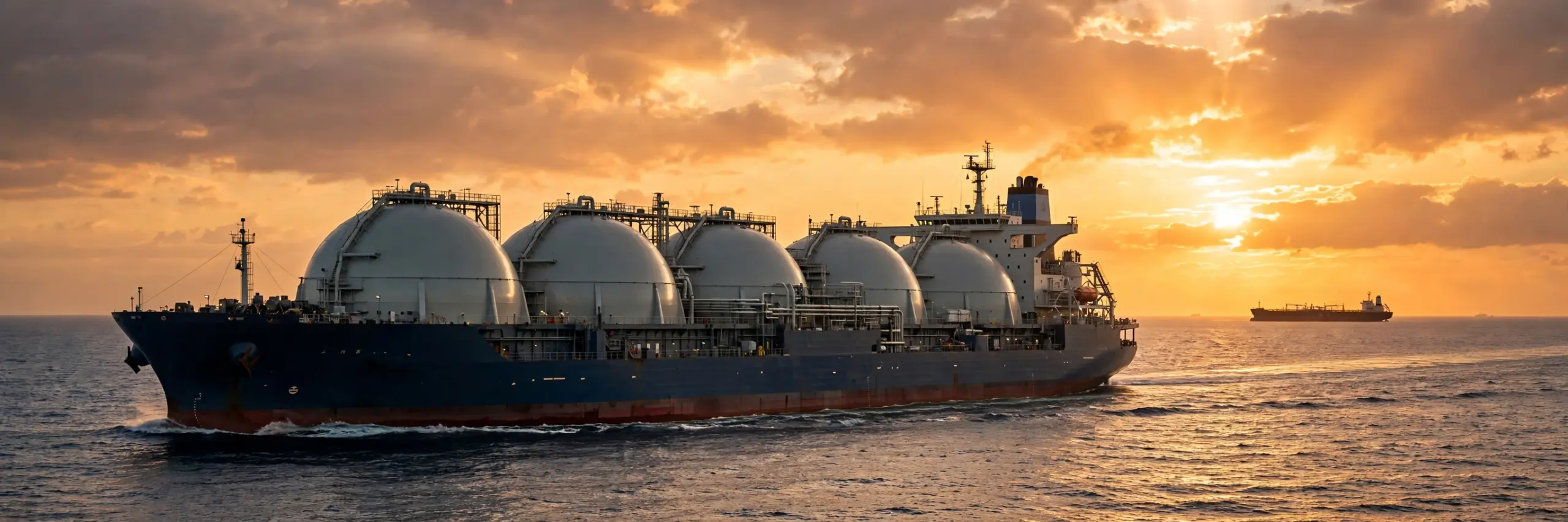
- LNG (Liquefied Natural Gas) — natural gas liquefied at around −162°C. Easy to spot: giant spherical tanks (Moss design) or highly insulated membrane tanks.
- LPG (Liquefied Petroleum Gas) — propane/butane. Carried three ways: fully pressurized (full pressure, ambient temperature), semi-refrigerated, or fully refrigerated (cooled, low pressure).
There are also ethylene (−104°C) and ammonia carriers. The main regulation is the IMO IGC Code, which likewise divides gas ships into types 1G/2G/2PG/3G by cargo hazard. Gas ship crew need Basic and (for officers) Advanced Training for Liquefied Gas Tanker Cargo Operations — and this is generally the highest-paid segment among tankers.
4. Bunker — Not a Tanker Type
The most common misconception: bunker is not a ship type. Bunker is the term for ship’s fuel itself, and bunkering is the operation of fuelling a ship — from a barge or terminal to a vessel at berth/anchor, via hose under strict safety procedures (MARPOL anti-spill rules).
The small vessels delivering the fuel are called bunker vessels / bunker barges — but they are support craft, not trading cargo tankers. People trading marine fuel are called bunker traders. For scale: Singapore is the world’s largest bunkering port, selling over 50 million tonnes of marine fuel a year.
5. “Trading Tanker” — Also Not a Ship Type
The word trading doesn’t describe the type of ship, but how the ship is commercially employed. A tanker that is “trading” operates on the charter market — e.g. the spot market (per-voyage / voyage charter) versus time charter (hired per period).
So oil tankers, chemical tankers, and gas tankers can all be “trading”. When a job ad says “trading tanker”, it usually means a tanker operating commercially on the open market — not a refinery-owned ship or one on a specific long-term contract.
Quick Comparison Table
| Type | Cargo | Hallmark | Main Regulation |
|---|---|---|---|
| Oil tanker | Crude oil / refined products | Large tanks, up to VLCC size | MARPOL Annex I |
| Chemical tanker | Liquid chemicals | Many small segregated tanks, stainless steel | IBC Code (Type 1/2/3) |
| Gas tanker (LNG) | Liquefied natural gas −162°C | Moss spherical / membrane tanks | IGC Code |
| Gas tanker (LPG) | Propane/butane | Pressurized / refrigerated | IGC Code |
| Bunker(ing) | Fuel for the ship itself | Fuelling operation, not a cargo ship | MARPOL (anti-spill) |
| Trading | — (not cargo) | Commercial status of the ship | — |
Why Must Seafarers Know the Difference?
Three practical reasons. First, certificates: each tanker segment requires different Basic and Advanced Training (oil, chemical, or liquefied gas) — wrong certificate, rejected application. Second, career and pay: gas ships (LNG/LPG) generally demand the strictest experience but pay the most; chemical tankers demand extra care with cargo segregation. Third, safety: each cargo has specific hazards (flammable, toxic, corrosive, cryogenic) — knowing the difference before joining is not theory, it’s about coming home safe.