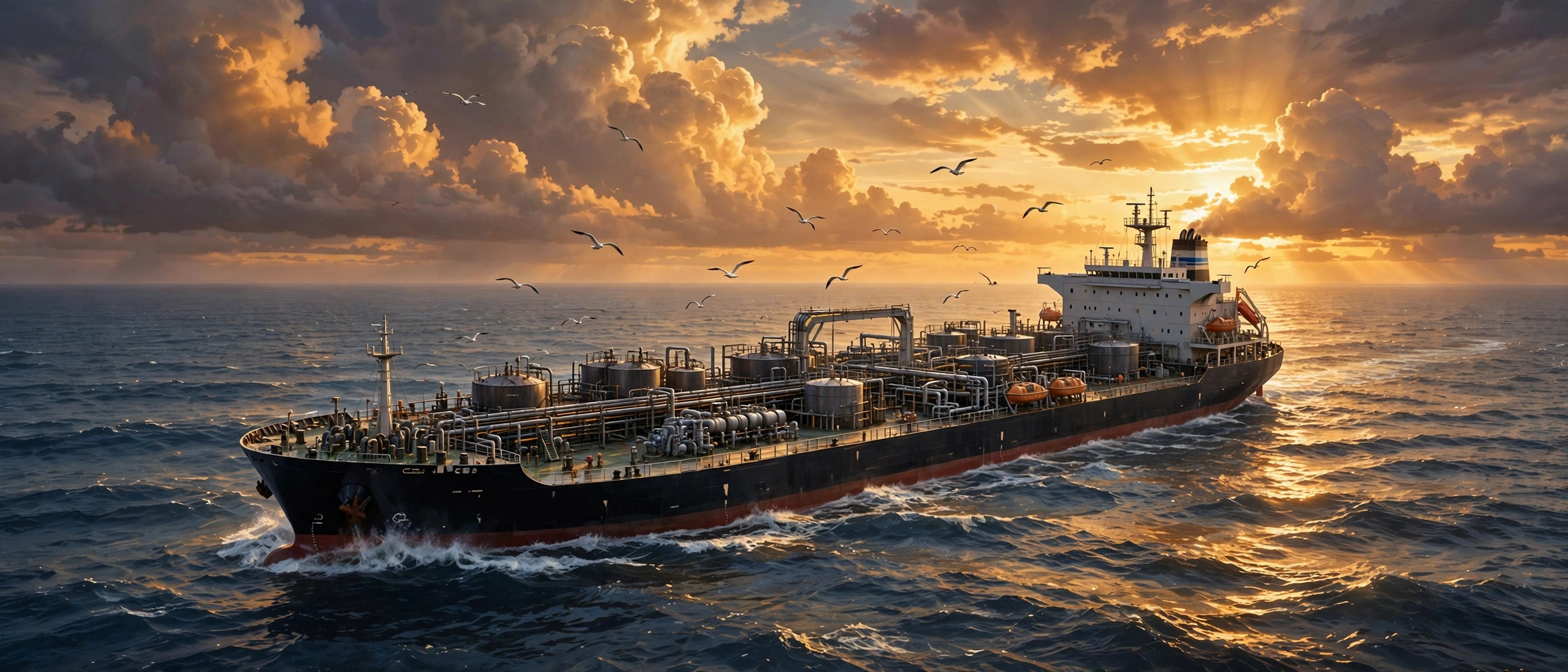

A tanker is a ship that carries liquid cargo in bulk: crude oil, refined petroleum products, chemicals, and liquefied gases (LPG/LNG). Compared to ordinary cargo ships, working on a tanker pays more — but the requirements are stricter, because the cargo is flammable, toxic, and tightly regulated under the STCW Convention. This article summarizes the requirements, documents, estimated salaries, and safe ways to apply as of 2026.
Types of Tanker Ships
- Oil / crude oil tanker — carries crude oil from fields to refineries.
- Oil products tanker — carries refined fuels (gasoline, diesel, jet fuel).
- Chemical tanker — carries liquid chemicals; tanks are specially coated and loading/discharging procedures are the strictest.
- LPG tanker — carries liquefied gases (propane, butane) in pressurized or refrigerated tanks.
- LNG tanker — carries liquefied natural gas at around −162°C; among the highest-paid segments in the tanker world.
We have covered the differences between these tanker types in a separate guide.
General Requirements for Working on Tankers
- Minimum 18 years of age.
- Certificate of Competency (COC) appropriate to the rank, or Certificate of Proficiency (COP) for ratings.
- Valid STCW Basic Safety Training (BST).
- Valid seaman’s book and passport.
- Medical fitness certificate from a recognized clinic.
- Enough English for working communication and emergencies.
- Tanker experience is preferred — for officer ranks, companies usually require experience on the same type of tanker.
Mandatory Tanker Certificates Under STCW
This is what sets tankers apart. Under STCW Regulation V/1-1 and V/1-2, seafarers assigned duties related to cargo or cargo equipment on tankers must hold:
- Basic Training for Oil and Chemical Tanker Cargo Operations — for all seafarers with cargo-related duties on oil/chemical tankers.
- Basic Training for Liquefied Gas Tanker Cargo Operations — for seafarers with cargo-related duties on gas tankers (LPG/LNG).
- Advanced Training for Oil / Chemical / Liquefied Gas Tanker Cargo Operations — mandatory for masters, chief engineers, chief mates, second engineers, and anyone directly responsible for loading, discharging, care in transit, handling of cargo, and tank cleaning.
Senior officer positions commonly also require supporting certificates such as Advanced Fire Fighting, Medical First Aid, and Ship Security Officer (SSO) — depending on rank and company policy.
Documents to Prepare
- Seafarer CV (neat format, clear sea-service history).
- COC/COP, BST, and tanker certificates (basic/advanced) matching the vessel type.
- Seaman’s book, passport, and ID.
- Medical certificate.
- Supporting certificates: GMDSS (for deck officers), SSO, and vaccinations required by the company (e.g. Yellow Fever for certain routes).
- Sea service records / testimonials from previous employers.
Estimated Tanker Seafarer Salaries 2026
The table below shows estimated monthly salaries in USD for medium-to-large tankers in international trade, compiled from advertised vacancies and published seafarer salary statistics. Actual figures may be lower on small coastal tankers and higher on VLCCs, LNG carriers, or with major operators.
| Rank | Estimated Salary (USD/month) |
|---|---|
| Master | 9,000 – 14,500 |
| Chief Officer | 7,000 – 11,300 |
| 2nd Officer | 3,500 – 4,700 |
| 3rd Officer | 2,500 – 3,500 |
| Chief Engineer | 9,000 – 14,000 |
| 2nd Engineer | 6,500 – 11,300 |
| 3rd Engineer | 3,300 – 4,700 |
| 4th Engineer | 2,500 – 3,500 |
| ETO | 4,500 – 7,000 |
| Bosun | 1,800 – 2,500 |
| AB | 1,400 – 2,000 |
| Oiler | 1,400 – 2,000 |
| Pumpman | 1,800 – 2,500 |
| Cook | 1,200 – 2,000 |
| Fitter | 2,200 – 3,000 |
On top of basic pay, tanker crews often receive extra allowances: high-risk-area (HRA) allowance for routes such as the Strait of Hormuz, rejoining bonuses, and overtime. Contracts typically run 4–6 months with 1–2 months of leave.
How to Apply Safely
- Through a licensed manning agency with a clear track record. Check the company’s name and office address before sending documents.
- Directly via the shipping company’s official website or careers page.
- Follow verified vacancy roundups — for example our 13 October 2026 roundup (in Indonesian), which includes LPG and chemical tanker recruitments from official sources.
- Never pay for any part of the recruitment process. Legitimate companies never charge fees at any stage — a payment request is a scam indicator.
Signs of Fake Tanker Job Ads
- Salaries far above market with no explanation (e.g. USD 5,000 offered to an AB).
- Requests for money transfers for “visa”, “tickets”, or “administration” before a contract.
- Contact only through a personal number with no verifiable company identity.
- Vessel or company names that cannot be verified from any source.
- Offer letters full of typos, with no company letterhead, pressuring you to pay quickly.
Prepare your CV before applying: read our seafarer CV guide that gets noticed by crewing — or if you want it done for you, chat with us on WhatsApp at +62 896-5739-1260.
Sources: AMSA — STCW tanker endorsements; UK Merchant Shipping (STCW) Regulations 2022; Maritime Zone — tanker seafarer salary data.