
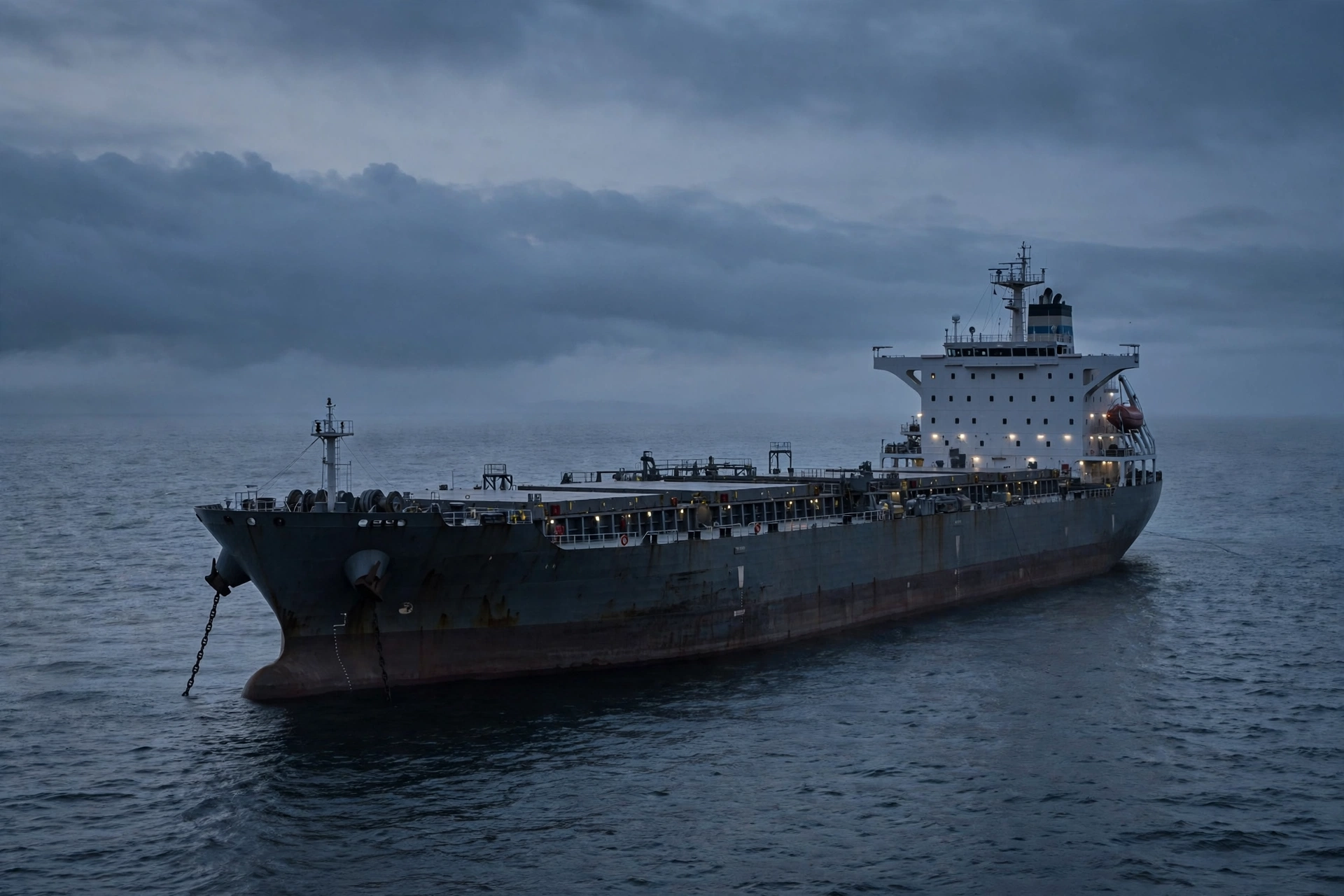

Imagine this: three months on board, the last two months’ wages unpaid, food running low, and the company suddenly unreachable. Your ship is left sitting in a foreign port. This isn’t fiction — in shipping it’s called abandonment, and cases worldwide are breaking records.
The latest International Transport Workers’ Federation (ITF) data shows a surge in abandonment cases. By nationality, Indian seafarers are the worst affected (1,125 people), followed by the Philippines (539), Syria (309), Indonesia (274), and Ukraine (248). Hundreds of Indonesian seafarers have had their ships simply left behind by the owners.
What Is Abandonment?
Under the Maritime Labour Convention (MLC) 2006, a seafarer is considered abandoned when the shipowner does any of these three things:
- Fails to cover the cost of the seafarer’s repatriation.
- Leaves the seafarer without adequate maintenance and support — including food, drinking water, accommodation, fuel, and medical care.
- Unilaterally severs ties with the seafarer, including not paying contract wages for at least two months.
Two-thirds of tanker abandonment cases even involve “shadow fleet” vessels — ships with murky ownership, prone to dodging responsibility.
Your Rights Under MLC 2006
MLC 2006 is often called the seafarers’ “bill of rights”. These are the core rights you must know before and during your voyage:
- Written employment contract (Seafarer’s Employment Agreement) — mandatory, and you must hold a copy.
- Wages paid monthly, in full, without unlawful deductions.
- Regulated working hours and rest periods for navigational safety.
- Free repatriation — maximum 12 months of service before you’re entitled to be sent home at the shipowner’s expense. The owner may not deduct repatriation costs from your wages.
- Medical care and compensation for work-related sickness or injury.
- A financial security certificate from the P&I Club must be on board. This guarantees wage arrears (up to 4 months), food, and your repatriation costs if the owner disappears.
- If the owner won’t pay for repatriation, the flag state must take over. If the flag state fails, contact the consulate or your country’s embassy — they can arrange your return.
Checklist Before Joining a Ship
Prevention is always cheaper than cure. Before sign-on, do this:
- Note the ship’s name, IMO number, and flag — share them with family back home.
- Ask who the owner, operator, and insurer are.
- Make sure the MLC financial security certificate is on board and its contact numbers are clearly readable.
- Keep copies of your contract, ship details, and emergency contacts at home — not only on a phone that can be lost.
- Consider joining a seafarers’ union.
If It Happens, Don’t Wait
According to ITF guidance, if you feel you are about to be — or have been — abandoned, DON’T WAIT. Do this:
- Prioritize safety. Record and document everything: wage arrears, provision conditions, photos if safe.
- Contact the ITF immediately — via the ITF Seafarers app, find the nearest ITF inspector at the port, or email [email protected]. You can speak in full confidence.
- Also contact a seafarers’ union or welfare organization such as ISWAN or the Sailors’ Society.
- Identify the flag state from the MLC documents on board, then ask its maritime authority for help. If the ship is in port, contact Port State Control or the port authority.
- If you can’t reach the relevant authorities, contact the nearest Indonesian embassy (KBRI) or consulate.
- Demand clearly: repatriation, food, water, medical care, and payment of wage arrears through the ship’s financial security scheme.
- Tell a trusted family member about your situation.
Closing
Abandonment is frightening, but you are not alone and not without rights. MLC 2006 and the ITF network worldwide exist to protect you — but they can’t help if you don’t reach out first. Save this article and share it with fellow seafarers preparing to depart.